
The Benefits of Using a Camera Filter in the Digital Age
- madcameras
- Nov 22, 2025
- 3 min read
Photography today often relies on digital cameras and editing software to enhance images. With so many tools available to adjust colours, contrast, and effects after the shot, some might wonder why anyone would still use physical camera filters. Yet, using a camera filter offers unique advantages that digital tools cannot fully replace. Photography is an art, and the hands-on experience of using a physical filter adds a layer of creativity and enjoyment that many photographers value deeply.
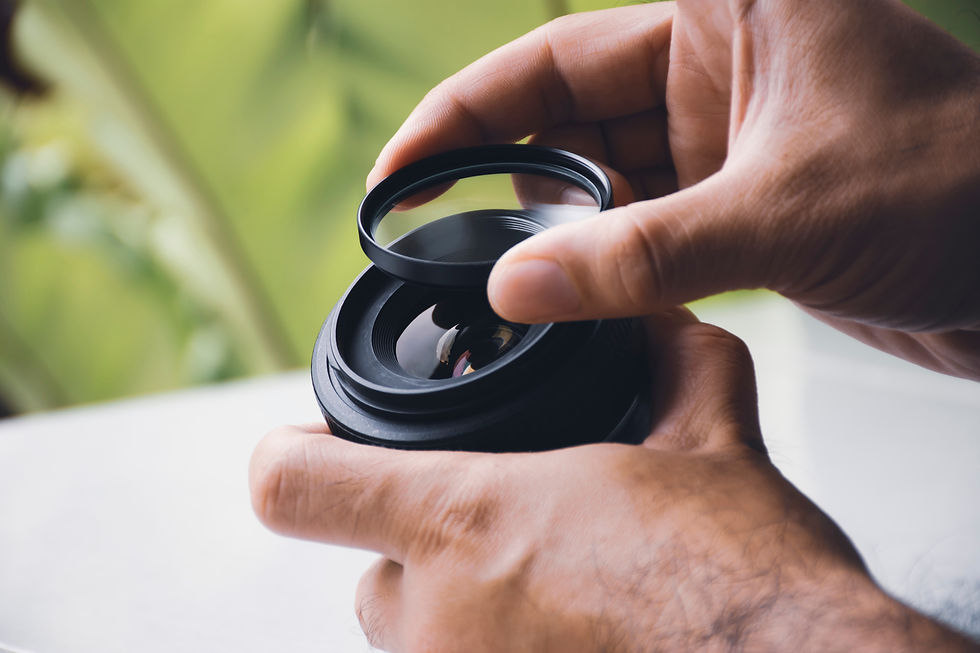
How Camera Filters Affect Your Images Before the Shot
One key benefit of camera filters is that they modify the light entering the lens before the image is captured. This means the effect is baked into the photo, not added later. For example, a polarizing filter reduces glare and reflections from water or glass and deepens blue skies. While editing software can mimic this effect, it often struggles to replicate the natural look and subtlety that a physical filter provides.
Filters like neutral density (ND) filters allow photographers to use slower shutter speeds in bright conditions, creating motion blur effects such as smooth waterfalls or soft clouds. This effect cannot be achieved simply by editing a photo after capture. The filter controls exposure in real time, giving photographers creative control over how the scene is recorded.
The Joy of Hands-On Photography
Using physical filters connects photographers more closely with their craft. It requires understanding light, experimenting with different filters, and adjusting settings on the fly. This hands-on process can be deeply satisfying and educational. It encourages photographers to slow down and think about composition and lighting rather than relying on post-processing fixes.
For example, a landscape photographer might use a variable ND filter to balance bright skies with darker foregrounds. Choosing the right filter and positioning it correctly involves skill and creativity. This interaction with the camera and environment enhances the artistic experience.
Practical Advantages of Filters in the Field
Filters also offer practical benefits that improve shooting efficiency:
Saving time in post-processing: Getting the desired effect in-camera reduces the need for extensive editing later.
Protecting the lens: UV and clear protective filters shield the lens from dust, scratches, and moisture.
Consistent results: Filters provide reliable effects regardless of lighting conditions, which can be tricky to replicate digitally.
For instance, wedding photographers often use warming filters to add a natural glow to skin tones during outdoor shoots. This subtle enhancement helps maintain a consistent look across images without heavy editing.

When Digital Editing Falls Short
Digital editing is powerful but has limits. Some effects look artificial or degrade image quality when applied excessively. Filters produce effects naturally, preserving image integrity. For example, long exposure shots with ND filters create smooth water or light trails that cannot be authentically reproduced by software.
Additionally, shooting with filters encourages photographers to get it right in-camera, improving their skills and understanding of light and exposure. This discipline often leads to better overall photography.
Choosing the Right Filter for Your Style
There are many types of filters, each serving different purposes:
Polarizing filters reduce reflections and enhance colors.
Neutral density filters control exposure for creative effects.
Graduated ND filters balance bright and dark areas in landscapes.
Colour filters add warmth or coolness to images.
UV and protective filters safeguard lenses without affecting image quality.
Experimenting with different filters can inspire new creative directions and help photographers develop a unique style.
Final Thoughts on Using Camera Filters Today
Using camera filters remains a valuable part of photography, even in the digital age. They offer effects that digital editing cannot fully replicate and provide a tactile, enjoyable experience that deepens artistic connection. Filters help photographers capture images with intention and creativity, often saving time and preserving image quality.
For photographers looking to expand their skills and explore new creative possibilities, investing in a few quality filters is a worthwhile step. The joy of seeing the world through a filtered lens adds a fresh dimension to the art of photography.
Comments